A Sense of Belonging
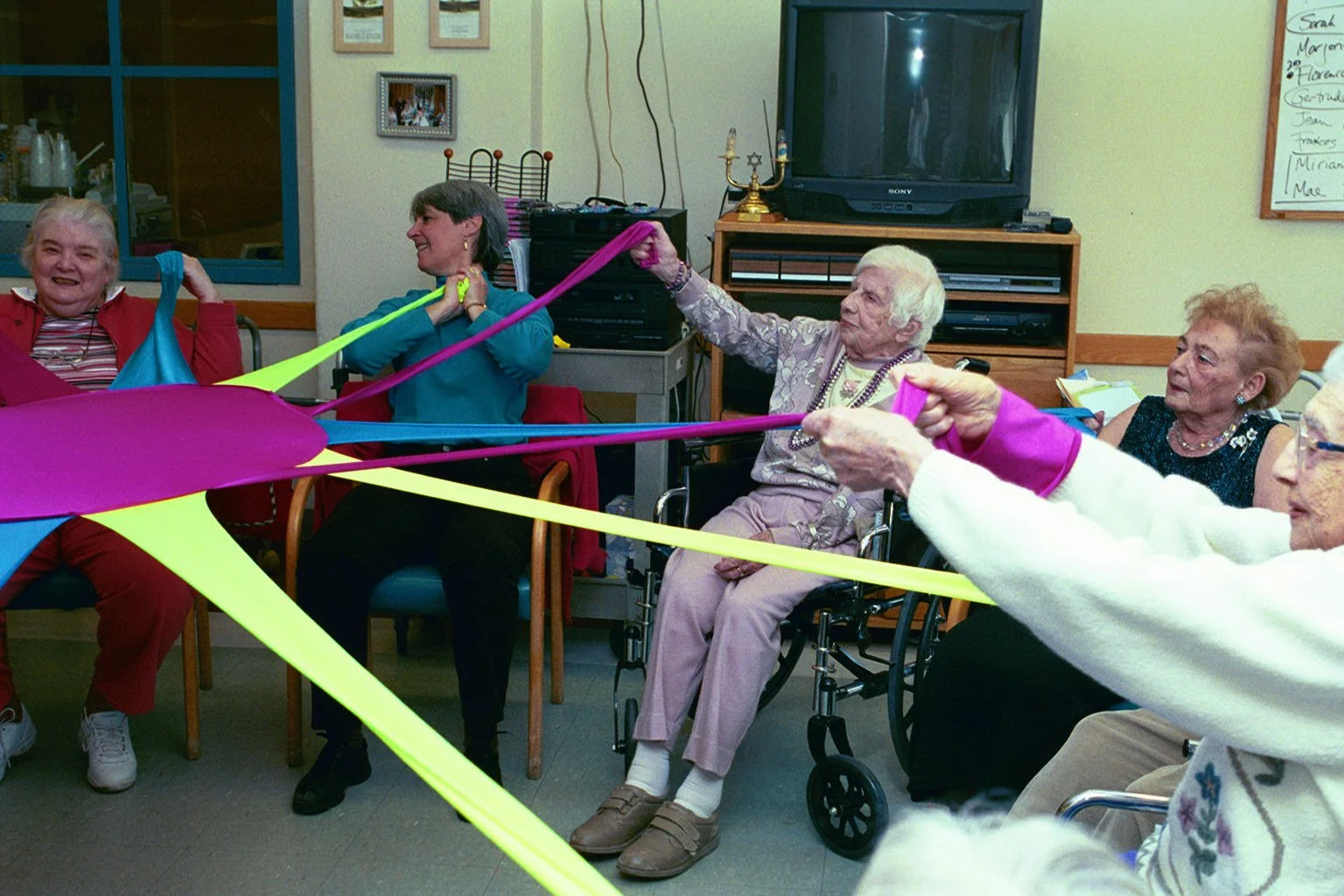
Photography: Priscilla Harmel
When I was 6 years old, my family moved us from one home / neighborhood /school to another. It wasn't a very big move and yet, it was enormous. In my memory, the move impacted me so that I was transformed from a fairly confident child to a wallflower, shy and insecure. When the teacher asked us to choose a partner for anything - a spelling partner, a dance - I was always the last one chosen. No one chose me. Never mind that it took me to adulthood to realize I could have made the choice. On the playground, I was always relegated to holding one end of the jumprope, not one of the jumpers. All of this further eroded my self-confidence and feeling of belonging.
So it's not surprising that I noticed when others seemed to fade into the wood work also. That seemed to be the group I belonged to. Later, working with adults in cardiac rehab as a stress management therapist, I saw the ways that even firefighters and CEOs demonstrated a lack of confidence, belittling themselves when they "couldn't even blow bubbles". (This was how I taught pursed lip breathing.) Fast forward to leading dance/movement therapy groups in a nursing home. The groups happened in a common space, but some people were referred and others not. (What a terrible system!) It seemed to me that the people on the outskirts may have felt excluded and that never felt okay to me. So I attempted to include all who were present.
I found my sense of belonging in Barbara Mettler's Creative Dance classes. It was Mettler's insistence that we each move in our own ways, knowing that we affect one another that seemed to instill that lesson. The most fundamental teaching I received from her was the Scatter Position: Find a space where you have enough room to move and everyone has an equal amount of space. You’re not going to share your space with the wall or any thing or person. If you were to see this space from above, you should see the space equally divided. If you see it is not equal, you are to do what you can to make it more equal. That will then require everyone else to move as well. The message: we are all individuals and part of a collective. What one person does affects the whole. Also, if we see something unequal, it is up to us to make a correction. Every single one of us belongs and matters.
It is that sense of belonging which I attempt to instill in the dance groups I now facilitate with older adults and people with dementia. A sense of belonging makes us feel safe and allows us to express ourselves and whatever is on our hearts and minds. I believe that each of us is here to be who and what we are.
It is that sense of belonging and our responsibility to one another which is manifested in the Octaband® I created.
And it is that sense of belonging that I attempt to instill in my trainings. In my 15 hour training, Bringing Dance to People with Dementia, I attempt to get all of us to be responsible for our own feelings of safety and belonging so that together we can bring that to the people with dementia with whom we dance in two hour-long sessions. I think it is that concept that makes my trainings so special and transformational.
When we embody a concept, we can more easily impart it to others - nonverbally. Or, as Irmgard Bartenieff might say, “Internal connections lead to external expression.”
The earlybird rate for Bringing Dance to Older Adults and People with Dementia, the in-person, 15 hour training in Westwood, MA, April 18-19, has been extended for just a few more days - to April 3. You can find out more here: https://danceforconnection.com/upcoming-events/2019/5/18/training-bringing-dance-to-older-adults-and-people-with-dementia-p68b7
Here is where you register: https://danceforconnection.com/store/training-to-bring-dance-to-people-with-dementia.